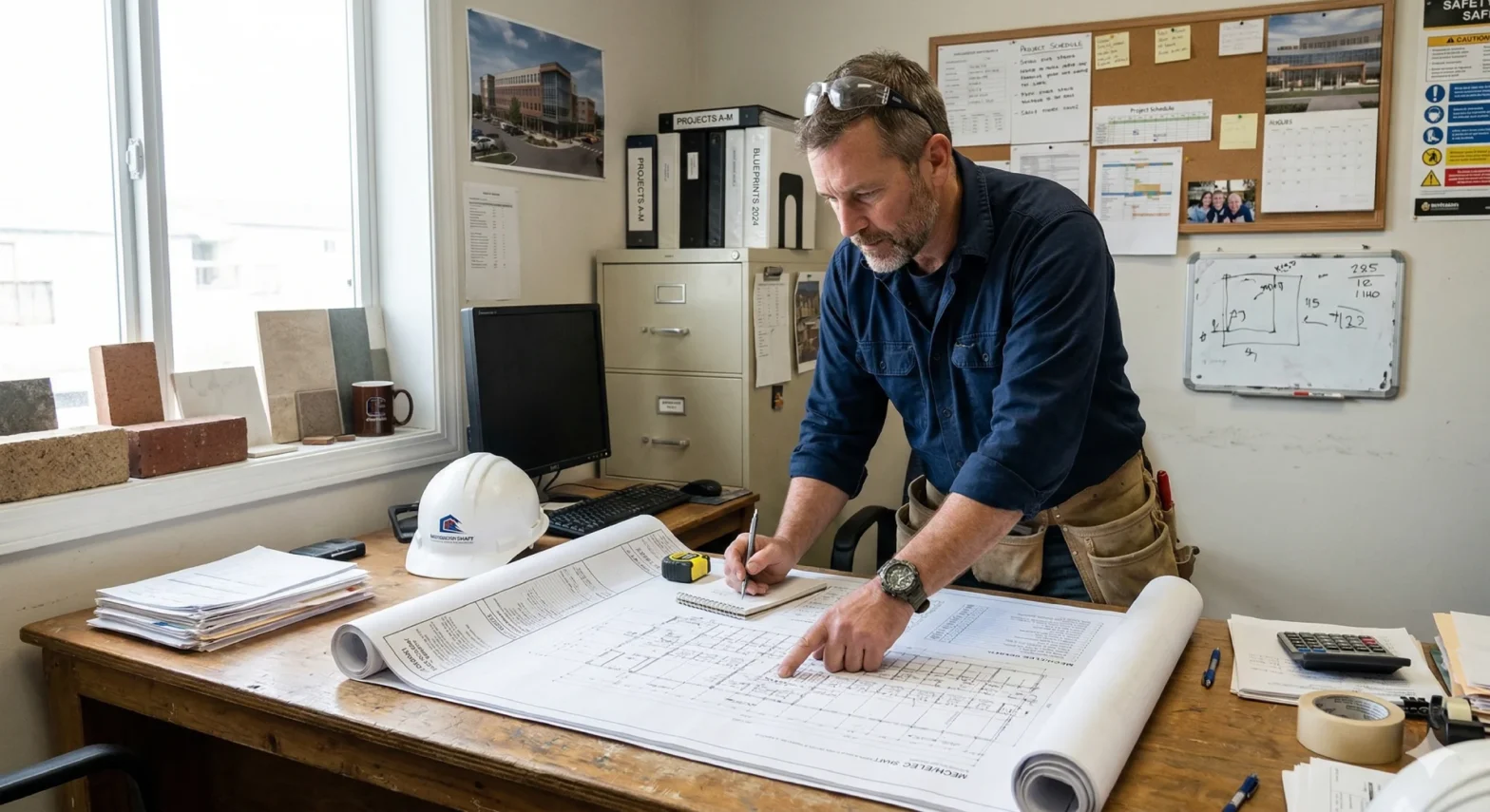
What Does a Builder Do? | Renovation Guide Toronto
What Does a Builder Actually Do? (And Why It Matters More Than You Think)
Most people think a builder (or general contractor) just drives around in a truck and calls in trades.
But if that’s all your builder is doing then you’ve got a problem.
Because the real job of a builder? It happens behind the scenes.
And it carries far more responsibility , and risk, than most homeowners realize.
If you’re planning a home renovation or custom home in Toronto, understanding what a builder / general contractor actually does can be the difference between a smooth experience and a stressful one.
What Does a Builder Do in a Renovation or Custom Home Project?
At a high level, a builder is responsible for managing your entire project: from planning and budgeting to construction, coordination, and completion.
But that simple definition doesn’t fully capture the reality.
Because in practice, a builder is managing:
- Your budget
- Your schedule
- Your design execution
- Your trades and suppliers
- Your permits and inspections
- And ultimately, your risk
And they’re doing all of it at the same time.
You Are Not Just Hiring a Contractor – You Are Protecting Your Biggest Investment
For most families, your home is your most valuable asset.
It’s where your life happens. It’s where your kids grow up. It’s where a significant portion of your wealth is tied up.
And when you hire a builder for a major home renovation or custom build, you’re placing that asset in someone else’s hands.
In some cases, you’re even trusting them to tear it down completely and rebuild it from the ground up.
That’s not a small decision and it requires real trust.
Because behind the scenes, your builder is taking on a level of responsibility that goes far beyond what most people see. They’re managing financial exposure, coordinating dozens of trades and suppliers, navigating permits and inspections, and ensuring what gets built matches what was promised.
This isn’t just construction.
It’s leadership, coordination, and risk management – all happening at once.
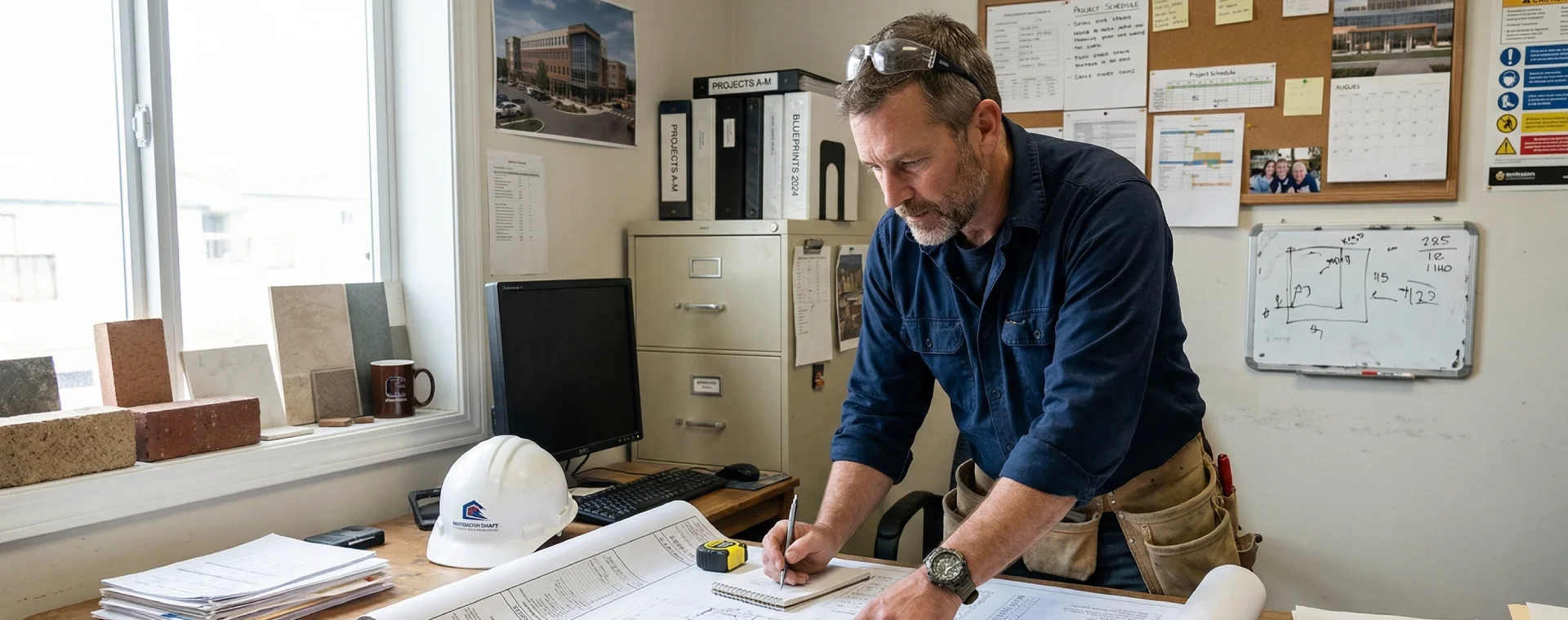
The Real Role of a Builder is Behind the Scenes
A great builder isn’t just managing a job site. They’re managing complexity and that starts long before construction begins.
Planning Before Construction Starts
Before demolition, excavation, or permits, your builder is reviewing plans through a practical lens. They’re identifying missing details, layout conflicts, and design elements that may not translate well in real-world construction.
This stage, often called pre-construction planning, is one of the most important parts of any successful renovation project. Done well, it prevents costly mistakes. Done poorly, it creates them.
Creating and Managing a Realistic Construction Budget
A professional builder doesn’t rely on rough estimates.
They develop a detailed construction budget based on real numbers which isbroken down line by line, and continues tracking costs throughout the project.
In a cost-plus renovation model, transparency is critical.
When changes happen, a good builder clearly explains the cost and time impact so you can make informed decisions. This is what keeps projects financially under control.
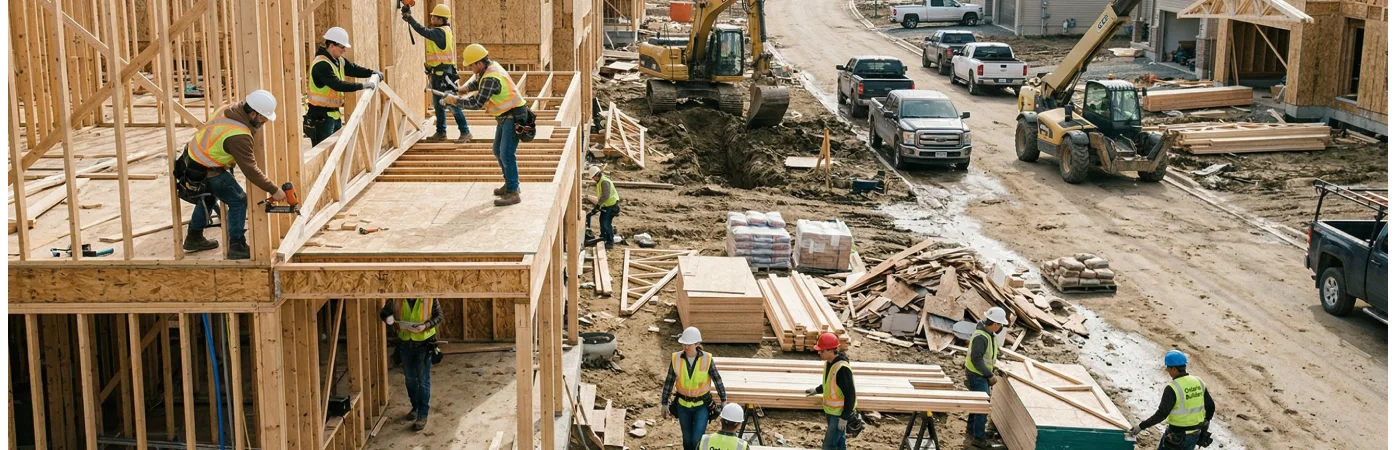
Managing the Construction Schedule and Trades
One of the most overlooked parts of a builder’s role is scheduling.
A typical custom home or renovation can involve 40-60+ trades and suppliers (and their employees), all working in sequence.
Your builder is responsible for coordinating all of them weeks or months in advance, and adjusting when things inevitably change.
When scheduling is handled properly, the project feels smooth. When it’s not, delays and frustration quickly follow.
Ensuring Quality Control Throughout the Build
Quality doesn’t happen by accident.
It comes from consistent oversight.
Great builders are actively involved on-site, catching issues early before they’re hidden behind finishes or become expensive to fix.
They’re making sure what’s being built matches the plans, meets code, and aligns with your expectations.
Not just passing inspections but building something that lasts.
Solving Problems During Construction
No matter how well a project is planned, every build encounters challenges.
Materials get delayed. Site conditions change. Design details need to be adjusted.
A great builder doesn’t panic. They lead. They problem-solve in real time, working with the homeowner, designer, and trades to keep the project moving forward.
This ability to navigate challenges is one of the biggest differences between an average contractor and a true builder.
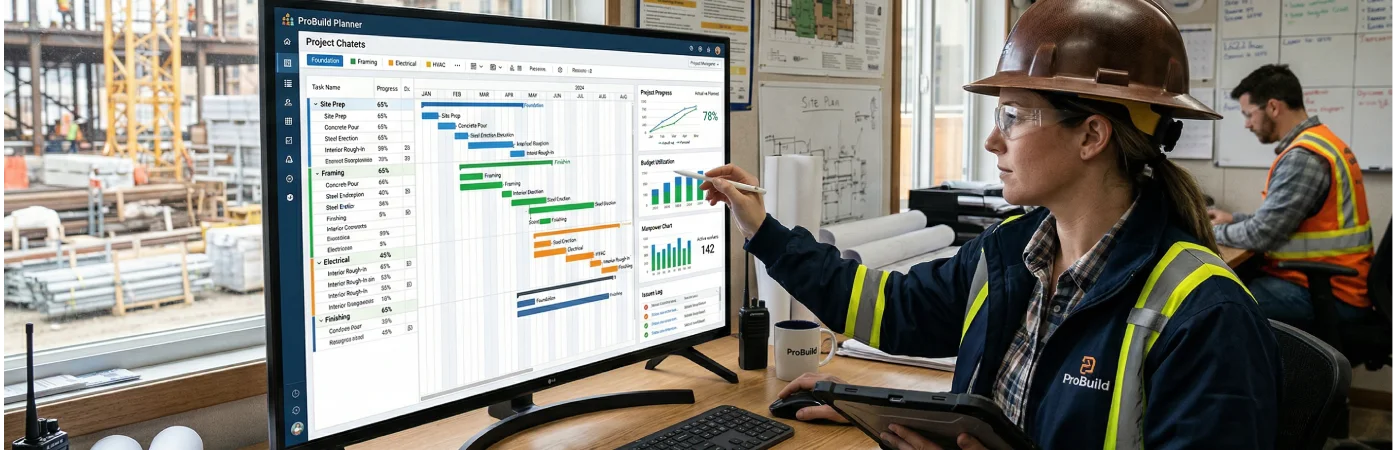
Managing Communication Across the Entire Project
Construction involves a LOT of moving parts and a lot of people.
Your builder is the central hub connecting:
- Homeowners
- Trades
- Vendors
- Designers
- Engineers
- Inspectors
They document decisions, track changes, and ensure everyone stays aligned.
And guess what? Clear communication is one of the biggest predictors of a successful renovation project.
Providing Post-Construction Support and Warranty
A builder’s responsibility should not end when construction is complete.
They address deficiencies, answer questions, and help you maintain your home after move-in.
The best builders are focused on long-term relationships and not just finishing the job.
The Hidden Reality: Risk, Liability, and Responsibility
What many homeowners don’t fully realize is how much responsibility a builder carries throughout a project.
They are:
- Managing financial commitments to trades and suppliers
- Overseeing safety and liability on-site
- Coordinating complex timelines and dependencies
- Responsible for delivering the final product
All while balancing dozens of moving parts every single day.
This is not a low-risk role. It’s one of the most demanding roles in the entire home building and renovation process.
Why Choosing the Cheapest Builder Can Cost You More
When comparing contractors, it’s natural to look at price.
But choosing a builder based on the lowest number alone is one of the most common and costly mistakes homeowners make.
Because a lower price often reflects:
- Incomplete planning
- Unrealistic allowances
- Limited project management systems
- Or lack of experience with complex builds
And those gaps don’t disappear.
They show up later as:
- Budget overruns
- Delays
- Miscommunication
- And compromised quality
A great builder isn’t just a cost.
They’re the person responsible for protecting your investment and guiding your project from start to finish.
How to Choose the Right Builder for Your Renovation
Instead of asking, “Who is the cheapest builder?” ask:
“Who do I trust to manage this level of complexity, responsibility, and risk?”
Or even better:
“What happens after the project is complete — how will you support me?”
These questions will tell you far more about a builder’s professionalism and long-term mindset.
Final Thoughts: A Builder’s Role Is Bigger Than You Think
A builder isn’t just managing a construction site. They’re managing your budget, your timeline, your team, your quality, and your overall experience.
When that’s done well, the process feels organized, predictable, and even enjoyable. When it’s not, you feel it at every stage.
So if you’re planning a home renovation in Toronto or building a custom home, take the time to choose the right builder.
Because the right one doesn’t just build your home, they protect your investment, your experience, and your peace of mind.
Watch our video and subscribe to our You Tube Channel for more valuable advice for homeowners looking to do a major renovation or custom build in Toronto:

![Credit all project photography to Roy Belding Photography. Suggested alt text pattern: "The Annex renovation by Glenaden Homes – [room/feature] – 2026 RenoMark Awards GTA finalist."](https://glenadenhomes.com/wp-content/uploads/2026/08/Recognized-for-Renovation-Excellence-ff3e490f-1-300x201.png)


